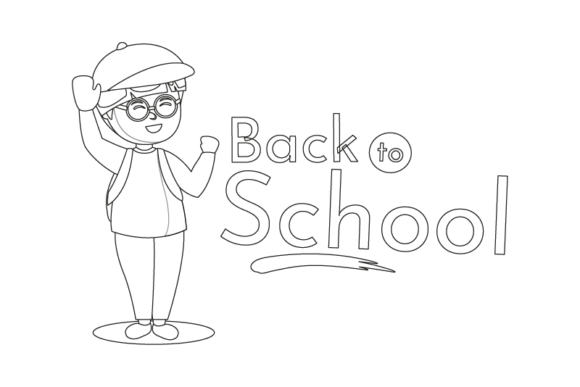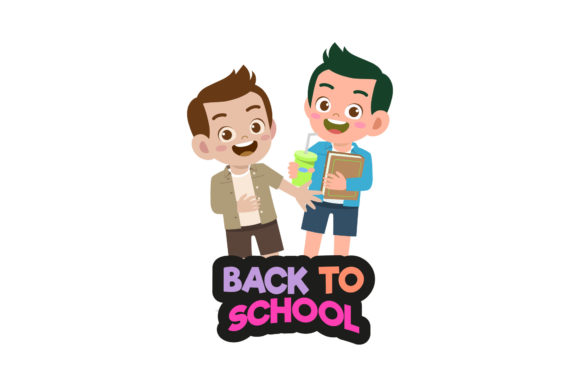
Back to School Childrens Creative Design Resources for Crafters, Educators, and Small Business Owners
Preparing for a new school year often involves a surprising amount of creative work. From decorating classroom spaces to designing personalized stationery for children, the need for versatile, high-quality design assets has grown significantly. The Back to School Childrens digital file collection provides a robust foundation for anyone looking to produce professional-grade materials without starting from scratch. With a canvas size of 1920px by 1280px, these assets are optimized for both print and digital use, making them suitable for a wide range of projects.
Understanding the Six File Formats and Their Unique Roles
When you acquire a set like the Back to School Childrens collection, you receive six distinct file types, each engineered for specific workflows. Knowing which format to use and when can dramatically improve your efficiency and the quality of your final output.
- AI (Adobe Illustrator) File: This is the native vector format for Adobe Illustrator. It preserves all layers, paths, and editable text, allowing you to tweak colors, reshape elements, and scale the design to any size without losing resolution. For professional designers and print shops, the AI file is often the starting point for customization.
- EPS (Encapsulated PostScript) File: A legacy vector format that remains widely supported across design software, including CorelDRAW, Affinity Designer, and older versions of Illustrator. The EPS file is ideal for users who prefer software outside the Adobe ecosystem or need backward compatibility.
- SVG (Scalable Vector Graphics) File: The go-to format for web and digital use. SVG files are lightweight, easily embeddable in websites, and can be styled with CSS. For teachers creating digital classroom resources or small business owners building an online storefront, the SVG file offers seamless integration.
- DXF (Drawing Exchange Format) File: Originally developed by Autodesk for CAD, DXF files are now widely used in the crafting community, especially for cutting machines like Cricut and Silhouette. This format enables precise cut lines, making it essential for vinyl decals, stencils, and papercraft projects.
- JPG (Joint Photographic Experts Group) File: A standard raster image format suitable for previews, social media posts, and quick printing. The JPG file is universally accessible and works well for sharing designs with clients or collaborators who may not have vector editing software.
- PNG (Portable Network Graphics) File: Unlike JPG, PNG supports transparency, which is invaluable for layering designs over different backgrounds. Whether you are creating a classroom banner or a promotional graphic for a school event, the PNG file gives you clean edges and a transparent backdrop.
Having all six formats in one Back to School Childrens package eliminates the need to convert files yourself, reducing the risk of quality loss or corrupted data. This comprehensive format offering is one of the primary reasons such collections are valued by both hobbyists and professionals.
Tailoring the Design for Different User Groups
One of the strengths of a well-prepared digital asset set is its adaptability across different skill levels and use cases. The Back to School Childrens files are designed to be accessible, but the way you interact with them will depend on your background and goals.
Educators and Classroom Creators
Teachers often need to produce a high volume of materials quickly—name tags, bulletin board headers, subject labels, and reward charts. With the editable AI file, an educator can change the text, adjust the color palette to match their classroom theme, and print multiple copies. The SVG format is particularly useful for creating interactive whiteboard activities or digital assignments shared through learning management systems. Because the canvas size is 1920px by 1280px, it fits standard presentation slides and widescreen displays without cropping issues.
Small Business Owners and Handmade Sellers
Entrepreneurs who sell custom children's products, such as personalized lunch boxes, tote bags, or wall art, can use the EPS or AI file to modify the design for each customer. The DXF file is invaluable for those who use cutting machines to produce vinyl appliqués for clothing or decals for water bottles. Having a ready-made design that can be quickly adapted saves hours of drafting time and allows for faster order turnaround. The Back to School Childrens collection serves as a reliable baseline that can be branded, recolored, or combined with other elements to create a unique product line.
Hobbyists and DIY Parents
For parents who enjoy crafting with their children or creating personalized items for the home, the PNG and JPG files offer a straightforward path. Print the JPG onto sticker paper for custom laptop stickers, or use the PNG with a transparent background to overlay onto a family calendar. The simplicity of these raster formats means no special software is required—just basic image editing tools or even built-in operating system previewers. This lowers the barrier to entry, allowing more people to engage in creative projects without investing in expensive design software.
Real-World Project Ideas Using the Digital Files
Understanding the technical specifications is only half the equation; the real value emerges when you put the assets to use. Below are several practical project ideas that leverage the different file formats contained in the Back to School Childrens set.
Personalized Desk Name Plates
Open the AI file in Illustrator and adjust the text fields to include each student's name. Change the background color to match your classroom color scheme. Print on cardstock and laminate for durable name plates that can be reused year after year. The consistent canvas size ensures that every name plate has a uniform look.
Classroom Door Decoration
Using the SVG file, upload the design to a cutting machine software like Cricut Design Space. Scale the design proportionally to fit your door dimensions. Use adhesive vinyl in contrasting colors to create a layered decal. The SVG format preserves the crisp lines needed for small details like text and icons, ensuring a professional finish.
School Event Flyer
Import the PNG file into Canva or Adobe Express. Add your event details—date, time, location—using text overlays. Because the PNG has a transparent background, you can place it over a vibrant background image without unsightly boxes. Export the final flyer as a PDF for printing or share it digitally via school newsletters and social media groups.
Custom Pencil Case or Tote Bag
For those with a heat press or iron-on vinyl, the DXF file is the most direct route. Load the DXF into your cutting machine software, adjust the size for the fabric item you are decorating, and cut the design from heat-transfer vinyl. Weed the excess vinyl, press it onto the fabric, and you have a durable, washable custom accessory. The Back to School Childrens design is intentionally suited for such applications, with shapes that translate well onto fabric surfaces.
Digital Planner Stickers
Use the PNG file to create digital stickers for apps like GoodNotes or Notability. Import the PNG into your sticker book template, resize as needed, and use them to decorate digital lesson plans or student schedules. The transparent background ensures that the stickers blend seamlessly into your planner pages.
Quality Considerations When Working with Digital Assets
Not all digital design files are created equal. The Back to School Childrens collection specifies a canvas size of 1920px by 1280px, which provides a good balance between file size and detail. However, there are several quality factors to keep in mind regardless of the source of your files.
Vector vs. Raster: Choosing the Right Format for Your Output
Vector formats (AI, EPS, SVG, DXF) are resolution-independent, meaning they can be scaled to any size without becoming pixelated. For large-format printing, such as posters or banners, always start with a vector file. Raster formats (JPG, PNG) are best for digital display or small-format print where the fixed resolution is sufficient. If you attempt to scale a JPG beyond its original dimensions, you will see artifacts and blurring. The strength of having both vector and raster versions in one package is that you can choose the optimal format for each specific task.
Color Fidelity Across Devices and Printers
Colors can vary significantly between monitors and printers. If you are printing the Back to School Childrens design, consider converting AI or EPS files to CMYK color mode before printing. For digital use, the default RGB values in the SVG and PNG files are appropriate. Test prints on regular paper before committing to expensive materials like vinyl or photo paper.
File Integrity and Backup
Because these files are digital, they are susceptible to corruption if not stored properly. Keep a master folder with the original, unmodified files. When you customize a design, save a new version with a descriptive filename. This practice ensures that you can always revert to the original Back to School Childrens assets if needed.
Workflow Efficiency: How the Format Combination Saves Time
One of the most overlooked aspects of a multi-format digital asset collection is the workflow acceleration it provides. Instead of opening one software, exporting to another format, and troubleshooting compatibility issues, you can move directly to the tool that matches your task. For example, a small business owner might use the AI file to customize a design, export a PNG for a social media mockup, and then use the DXF file to cut the physical product—all from the same original asset. This seamless pipeline reduces friction and allows more time for actual creativity and production.
Furthermore, having the JPG and PNG files handy means you can quickly share proofs with clients or collaborators who do not have design software. A parent organizing a school fundraiser can email the JPG to the PTA committee for feedback without asking them to install any specialized applications. The Back to School Childrens collection is structured to accommodate this kind of cross-functional use, which is especially valuable in volunteer-run settings like schools and community groups.
Customization Techniques for a Unique Finish
While the base design is already polished, personalization is where the true value lies. Depending on your software and comfort level, there are several ways to make the Back to School Childrens assets distinctly your own.
- Color Adjustment: In the AI or EPS file, you can globally change the color scheme using swatches. Swap bright primary colors for pastels, monochromes, or school colors to match a specific branding or theme.
- Text Editing: If the design includes text fields, they are likely editable. Change the font, size, and wording to suit your purpose—whether it is a student's name, a classroom rule, or a motivational message.
- Layering and Combining: Import the SVG file into a web design tool and layer it with other graphics. Since SVGs are code-based, they integrate smoothly with web technologies and can be animated using CSS or JavaScript for interactive educational content.
- Rescaling for Different Mediums: The vector files can be scaled up for a large wall mural or scaled down for a bookmark without any loss of detail. Always test the smallest size you plan to use to ensure that fine elements remain legible.
Why Digital Assets Matter in Modern Education and Crafting
The shift toward digital resources in both education and home crafting is not just a trend—it reflects a deeper need for flexibility, reproducibility, and cost-effectiveness. A single Back to School Childrens digital file set can be used dozens of times across multiple projects, year after year. For schools operating on tight budgets, this kind of reusable asset reduces the need to purchase new decorations or supplies annually. For parents and hobbyists, it provides a professional starting point that eliminates the frustration of designing from scratch.
Moreover, the collaborative nature of these files means that teachers can share resources with colleagues, parents can contribute to classroom projects, and small business owners can crowd-source ideas without legal or technical barriers. The open format structure encourages sharing and adaptation, which aligns well with the community-focused spirit of back-to-school preparations.
Final Thoughts on Leveraging the Digital File Collection
The Back to School Childrens asset set, with its 1920px by 1280px canvas and six versatile file formats, is designed to meet the needs of a diverse user base. Whether you are an educator looking to streamline classroom decoration, a business owner creating custom products, or a parent wanting to add a personal touch to school supplies, these files offer a practical, high-quality foundation. By understanding the strengths of each format and applying thoughtful customization, you can transform a single digital resource into a wide array of meaningful, functional projects that support children as they head back to school.