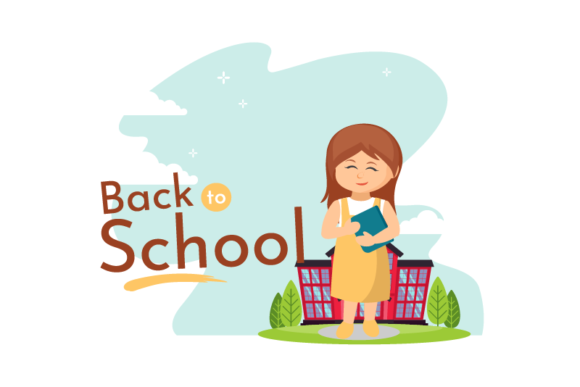
Back to School Kids Character Layout: A Practical Asset for Educators, Creators, and Small Business Owners
Preparing materials for the back-to-school season often involves juggling tight deadlines, multiple formats, and the need for consistent visual branding. Whether you are an educator designing classroom resources, a small business owner creating promotional content, or a freelance creator fulfilling client orders, having a reliable design foundation can significantly streamline your workflow. The Back to School Kids Character Layout provides exactly that—a flexible, multi-format digital asset built around a 1920x1280 pixel canvas, ready to adapt to a wide range of projects.
This article explores how this layout fits into real-world production processes, from initial planning through final delivery. Instead of focusing on abstract benefits, we will examine practical integration points, file management strategies, and ways to maintain quality across different outputs. The goal is to help you incorporate this resource smoothly into your existing routine without unnecessary friction.
Understanding the Back to School Kids Character Layout: What You Receive
At its core, this product is a digital design file set centered on a back-to-school theme with kid-friendly character elements. The package includes six files in total, each serving a distinct purpose within a typical design workflow. The formats provided are AI, EPS, SVG, DXF, JPG, and PNG, all based on a 1920x1280 pixel canvas.
This combination of vector and raster formats means the layout is ready for both digital and print applications. Vector files (AI, EPS, SVG, DXF) allow for infinite scaling without loss of quality, making them ideal for signage, large banners, or detailed cut files. Raster files (JPG, PNG) are immediately usable for web content, social media graphics, or quick previews. The 1920x1280 aspect ratio is a common standard for widescreen presentations, video thumbnails, and many social media cover images, which reduces the need for additional cropping or resizing during the early stages of a project.
Where the Layout Fits in Your Broader Process
Every project moves through phases—planning, creation, revision, and delivery. The Back to School Kids Character Layout can serve as a starting point, a middle-layer resource, or a finishing template, depending on your needs.
Before the Project: Planning and Brainstorming
When you are mapping out a campaign or a series of educational materials, having a concrete visual reference accelerates decision-making. The character layout provides a predefined composition and theme, which helps you quickly assess whether the style aligns with your brand or classroom needs. You can use the JPG or PNG preview to share concepts with stakeholders, clients, or colleagues without opening any editing software. This early-stage compatibility reduces back-and-forth and lets you lock in a direction before investing time in customization.
During Creation: Customization and Adaptation
This is where the vector formats become most valuable. The AI and EPS files allow you to modify colors, add text, replace characters, or adjust the layout to fit specific messaging. If you work in Adobe Illustrator, CorelDRAW, or Affinity Designer, these formats open natively and maintain layer structure when properly prepared. The SVG format is particularly useful for web developers or Canva users who prefer browser-based editing. The DXF file extends the layout to laser cutting or vinyl cutting workflows, which is helpful if you produce physical merchandise like stickers, labels, or classroom decor.
During this phase, the 1920x1280 canvas acts as a consistent frame of reference. You can design confidently, knowing that all elements will remain within a standard proportion that translates well across platforms.
After the Project: Publishing, Printing, and Archiving
Once your design is finalized, the raster formats come into play. The PNG file with its transparent background is ideal for layering onto websites, brochures, or social media posts. The JPG provides a compact, universally viewable version for quick sharing or submission to digital printing services. If you plan to archive your work, keeping the AI or SVG source file ensures you can revisit and update the design for future seasons without starting from scratch.
Integrating with Other Tools, Platforms, and Resources
The value of any digital asset depends on how well it fits into your existing toolchain. The Back to School Kids Character Layout is designed to be format-agnostic, meaning it can be opened in a variety of software environments. Here are some common integration scenarios:
- For educators using Canva or PowerPoint: The SVG and PNG files can be uploaded directly. The 1920x1280 canvas matches standard widescreen slide dimensions, so you can use the layout as a background or a central visual for lesson plans, newsletters, or classroom posters.
- For small business owners running an Etsy or print-on-demand shop: The DXF and EPS files allow you to create cut files for stickers, iron-on transfers, or laser-engraved products. The AI file gives you full control if you need to adjust the layout for different product dimensions while keeping the character style consistent.
- For freelance designers and marketers: You can incorporate the layout into a broader brand kit. Because the canvas size is fixed, you can easily combine it with other assets like logos, typography, and color palettes without worrying about aspect ratio mismatches.
- For bloggers and content creators: The JPG and PNG versions are ready for immediate use as featured images, email headers, or social media posts. The transparent PNG is especially useful for overlaying text or other graphics.
In each case, the layout acts as a bridge between your creative vision and the technical requirements of your chosen platform. The variety of formats reduces the need for conversion software or manual workarounds, saving time and preserving quality.
Practical Implementation Tips
Getting the most out of this layout involves more than just opening a file. Consider these workflow-oriented practices:
Organize Your Files Before You Start
Create a dedicated folder for your back-to-school projects and place the six files inside. Name them clearly—for example, including the format and a brief description—so you can locate the right version quickly. If you work with a team, establish a naming convention that includes the date or version number to avoid confusion.
Work from the Vector Source When Possible
If you need to make changes, always edit the AI, EPS, or SVG file first, then export the raster versions as needed. This preserves the highest quality and ensures that all derived files remain consistent. Making edits directly in a JPG or PNG can lead to pixelation or misaligned elements.
Use the 1920x1280 Canvas as a Template
Because this canvas size is common for widescreen presentations and social media covers, consider using it as a standard template for other seasonal designs. Once you have a workflow established around this dimension, you can reuse the same layout structure with different themes or characters, maintaining visual consistency across your materials.
Quality Control Checks Before Final Output
Before exporting or printing, review the file at 100% zoom in your editing software. Check for any scaling issues, color shifts, or misplaced layers. If you are using the DXF for cutting, simulate the cut path to confirm that all elements are closed and properly spaced. For PNG and JPG, test the resolution on your target platform—web images at 1920 width are typically safe, but print projects may require a higher DPI conversion.
Long-Term Usability and Consistency
A well-designed layout is not a one-time resource. The Back to School Kids Character Layout can be reused and adapted across multiple years or campaigns with minor updates. By keeping the source files organized and annotated, you can quickly swap out colors, text, or background elements to reflect new trends or branding guidelines. This approach reduces the need to commission entirely new artwork each season and helps build a cohesive visual library over time.
Furthermore, because the layout is provided in standard formats, it remains accessible even as software updates occur. AI and EPS files have been industry standards for decades, and SVG is widely supported across modern web and design applications. This forward compatibility means your investment continues to deliver value beyond its immediate use.
Maintaining Consistency Across Your Materials
If you produce multiple items—such as classroom worksheets, social media graphics, and printed posters—using the same character layout ensures a unified look. The consistent canvas size means that all pieces share the same proportions, which is especially important when designing for platforms that require uniform aspect ratios. You can also create a style guide based on the layout’s color palette and character positioning to inform future projects.
Real-World Use Cases and Workflow Examples
To illustrate how the layout integrates into actual routines, consider these brief scenarios:
- A teacher preparing a welcome packet for students: The teacher opens the PNG file, inserts it into a word processing document as a header image, and adds text boxes for classroom rules and supply lists. The 1920x1280 canvas aligns well with standard page margins when scaled appropriately.
- A small business owner creating a limited-edition sticker pack: Using the DXF file, the owner imports the design into their cutting software, adjusts the scale to fit 3x3 inch stickers, and runs a test cut on paper before using vinyl. The vector format ensures clean edges and smooth curves.
- A freelance social media manager designing a back-to-school campaign for a client: The manager uses the SVG file in Canva to overlay the client’s logo and call-to-action text. Because the canvas matches Instagram’s preferred landscape ratio, the final graphic posts without cropping issues.
In each case, the user’s primary focus remains on their core task—teaching, selling, or marketing—rather than on troubleshooting file formats or resizing issues. The layout handles the technical foundation so they can concentrate on content and messaging.
Final Observations on Integration and Efficiency
Adopting a new design asset should not complicate your workflow. The Back to School Kids Character Layout is structured to fit into existing processes with minimal adjustment. Its multi-format delivery, standard canvas size, and kid-friendly theme make it suitable for a wide range of applications, from digital content to physical products.
When you integrate this layout into your routine, focus on the aspects that directly support your goals. If you value speed, use the raster files for quick deployment. If you prioritize flexibility, work from the vector source and customize as needed. The layout does not demand a specific method; it adapts to how you already operate.
Good process management is about reducing friction between intent and output. This resource does exactly that—it gives you a solid starting point, multiple paths to execution, and the ability to reuse and refine over time. By treating it as a component of a larger system rather than a standalone graphic, you can get consistent, high-quality results while keeping your creative energy focused on what matters most.