Back to School Coloring Pages 7 - KDP: What You Need to Know Before You List
If you are building a coloring book business on Amazon KDP, you have likely come across Back to School Coloring Pages 7 - KDP as a potential addition to your product line. This type of resource is designed to help you create a specific themed coloring book quickly, usually with a single PNG file that you can upload and list. But there is more to using such a file successfully than simply dropping it into your KDP dashboard. Many sellers, especially those new to the platform, make avoidable mistakes that hurt their sales, erode their reputation, and waste their time.
This article walks through the most common missteps people make when working with resources like Back to School Coloring Pages 7 - KDP, and more importantly, how to avoid them. Whether you are a seasoned KDP creator or just getting started, understanding these details will help you present a polished, professional product that buyers actually want.
Misunderstanding What the File Actually Gives You
One of the first points of confusion is the file itself. When you see a product described as Back to School Coloring Pages 7 - KDP and receive a single PNG file, it is natural to assume that one image equals one page in your book. In many cases, that is true. However, the term "7" in the title could refer to the number of pages, the volume in a series, or a specific design collection number. Make sure you understand exactly what you are getting before you build your entire book around it.
Check the product description carefully. If it says "you will receive 1 PNG file," then you have exactly one image. A single image can still be used to create a full book if you repeat it or combine it with other assets, but it will not give you a varied 100-page interior on its own. Many sellers mistakenly assume a single PNG means a complete interior, only to realize later that they need to source additional artwork to fill the book.
What to do instead
Read the listing details thoroughly before purchasing. Look for the exact number of files, the format (PNG, PDF, JPG), and whether the images are for commercial use within KDP. If the listing says "1 PNG," plan accordingly. You may need to purchase multiple sets or combine them with other resources to create a book with sufficient variety.
Ignoring Bleed and Trim Requirements
KDP has strict specifications for print-ready files. Many coloring page sets, including Back to School Coloring Pages 7 - KDP, come in standard sizes, but you cannot assume they include proper bleed margins. A common mistake is to upload a PNG file that is exactly 8.5 x 11 inches with no extra space around the edges. When KDP prints the book and trims the pages, the artwork can be cut off or leave ugly white borders.
This problem is especially frustrating because it often goes unnoticed until the first customer receives a poorly trimmed book. Negative reviews about cropping or missing design elements are hard to recover from, and they hurt your product's ranking immediately.
How to fix bleed issues
Before you upload, open the PNG file in an image editor and check its dimensions. KDP requires a bleed margin of 0.125 inches on all sides for standard books. That means your image should extend at least 0.125 inches beyond the final trim size. If the PNG you received does not include this extra space, you will need to resize the canvas and extend the background or add a border to compensate. Some creators choose to place the design inside a white border to avoid this issue, but that changes the look of the page. Test a print preview using KDP's online tool before you publish to see exactly how the file will appear when trimmed.
Overlooking Resolution and Print Quality
Another frequent oversight is assuming that any 300 DPI file is automatically good enough for print. Resolution is critical for coloring books, where crisp lines make the difference between a pleasant experience and a frustrating one. A PNG from Back to School Coloring Pages 7 - KDP might claim to be high resolution, but you should verify it yourself.
Open the file in an image program and check the pixel dimensions. For a standard 8.5 x 11 inch page at 300 DPI, you need at least 2550 x 3300 pixels. If your file is smaller than that, lines will appear jagged or blurry when printed. This is especially noticeable in intricate designs intended for adults who expect detailed, clean artwork.
Practical check you can do right now
Zoom in to 400% on a detailed part of the design. If you see pixelation, the resolution is insufficient for print. Do not rely on the word "high-quality" in the listing. Verify with your own eyes. If the resolution is too low, consider whether the design still works at a smaller scale, or look for a different source with higher pixel dimensions.
Not Testing the File in KDP's Previewer
This might be the single most valuable habit you can develop, yet many sellers skip it. Before you publish any book, use KDP's online preview tool to flip through every page. When you upload Back to School Coloring Pages 7 - KDP as part of a larger interior, you must confirm that the file aligns correctly within the book's layout.
Common problems revealed by the previewer include images that are shifted off-center, pages that are upside down, or files that appear smaller than expected because of mismatched aspect ratios. One seller I know uploaded a back-to-school set only to discover that every image was offset by half an inch because the source file had an extra transparent border around it. The previewer caught it before any copies were printed.
Good practice
Always submit your book as a draft first and go through the preview tool page by page. Check margins, center alignment, and image sharpness. Make any corrections before hitting "publish." This step alone can save you from expensive reprints and unhappy customers.
Mistaking Theme Fit for Buyer Demand
Back to school is a seasonal theme with a clear peak in late summer. Many creators assume that any back-to-school coloring book will sell well because the topic is popular. But timing matters. If you list Back to School Coloring Pages 7 - KDP in October, you will be competing against holiday-themed books and missing the primary buying window.
Beyond timing, consider who the actual buyer is. For KDP coloring books, the purchaser is often an adult buying for themselves or as a gift. They may be a teacher looking for classroom activities, a parent preparing for the school year, or an adult who enjoys nostalgic, school-themed relaxation. Each of these audiences has different expectations for design complexity, page count, and overall presentation.
Align content with audience
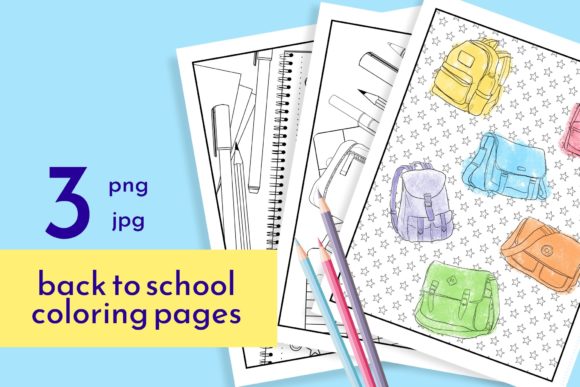
Before you invest time in building a book around a back-to-school PNG set, research the current bestsellers in the category. Look at review counts, page numbers, and pricing. Ask yourself whether the designs in Back to School Coloring Pages 7 - KDP match the style and detail level that buyers in that niche expect. If the set is very simple with large shapes, it may be better suited for younger children than for adults. If it is highly detailed, it might appeal more to adult hobbyists. Know your buyer before you build your listing.
Neglecting Metadata and Book Description
Even the most beautiful coloring book will not sell if nobody can find it. A single PNG file like Back to School Coloring Pages 7 - KDP can become the interior of a book, but the listing itself is what drives traffic. Many sellers focus entirely on the interior file and then rush through the title, description, and keywords.
Common mistakes include using generic titles like "Back to School Coloring Book," which face heavy competition, or neglecting to include relevant keywords like "classroom," "teacher resources," "pencil case," "school bus," or "study breaks." KDP allows you to use keywords that help match your book to customer searches, so you need to think like a buyer.
Better approach for your listing
Use the product title to include your primary keyword naturally, along with a benefit or differentiator. For example, "Back to School Coloring Pages 7 - KDP: Detailed School Supplies and Classroom Scenes for Adults and Teens" gives both a searchable term and a clear audience signal. In the description, mention the number of pages, the level of detail, and whether the designs are single-sided. Answer the questions a buyer would ask before clicking "add to cart."
Forgetting to Compare Similar Resources
Because Back to School Coloring Pages 7 - KDP is a specific product, it is easy to buy it in isolation without comparing it to other options in the same category. This can lead to missed opportunities. Another set might offer more pages, a better resolution, or a different artistic style that aligns more closely with your target audience.
Creators sometimes stick with the first file they find because it looks decent, but the market rewards differentiation. If every back-to-school coloring book looks similar, buyers will choose the one with the most pages, the nicest preview, or the lowest price. Your image file is part of that equation.
What to check before buying
Look at at least three similar products. Compare file dimensions, DPI, number of images, and commercial use rights. Check whether the designs are hand-drawn or computer-generated. Read reviews of the seller, not just the product, to see if other KDP creators had issues with print quality. A slightly higher upfront cost for a better file often pays for itself in fewer customer complaints and higher ratings.
Overlooking the "One PNG" Limitation in Book Structure
If you are using Back to School Coloring Pages 7 - KDP as a single PNG, you need to decide how to structure the book. A 100-page coloring book with 99 repeats of the same design will not impress anyone. Yet some sellers try to stretch a single image by inserting blank pages or repeating the same design multiple times.
This approach disappoints buyers. A customer who purchases a coloring book expects variety. Even if you are testing a new niche, offer at least 10 to 15 unique designs in a single book. You can combine multiple PNG sets, or use the single image as a preview or bonus page within a larger collection.
Practical way to work with limited files
If you have only one PNG, consider using it as the cover or as a single interior page in a mashup book that includes other themes. Alternatively, purchase multiple volumes from the same series to create a cohesive interior. The key is to be honest with yourself about what a single image can deliver. A book with genuine variety is far more likely to get positive reviews and repeat customers.
Rushing the Listing Without a Test Buy
One of the most overlooked steps in the KDP process is ordering a physical proof copy. Many creators skip this to save time or money, but a printed proof reveals issues that the digital preview cannot. Colors might look different on paper, line thickness may appear lighter, and the overall feel of the page matters to the end user.
When you use a resource like Back to School Coloring Pages 7 - KDP, the printed output is the final test. I have seen cases where a PNG looked sharp on screen but printed with faint lines because the file used thin grayscale strokes instead of solid black. The buyer's experience of trying to color those thin lines was frustrating, leading to a return.
Smart move
Order at least one proof copy of any book you publish, especially your first few. Examine the print quality, the alignment, and the paper thickness. If the proof looks good, you can confidently list the book. If it does not, you have the chance to fix the problem before it reaches paying customers. This investment in quality control pays for itself many times over in saved returns and improved ratings.
Making the Most of Your PNG File
Used correctly, a well-made PNG from a set like Back to School Coloring Pages 7 - KDP can be the foundation of a successful listing. The key is to approach it with the same care and attention you would give any product you create. Check the resolution, verify the bleed, test the preview, align with your audience, and never skip the proof.
The market for coloring books on KDP is competitive, but it is also large enough to reward those who pay attention to the details. Start with a clear understanding of what you are buying, build your book thoughtfully, and prioritize the buyer's experience at every step. That approach will serve you far better than rushing a listing based on a single file you have not fully evaluated. A little extra time spent on preparation now will save you from headaches later and help you build a reputation for quality that keeps customers coming back.