Second Grade Teacher Back to School: Strategic Design Ideas for Meaningful Classroom Connections and Print‑On‑Demand Success
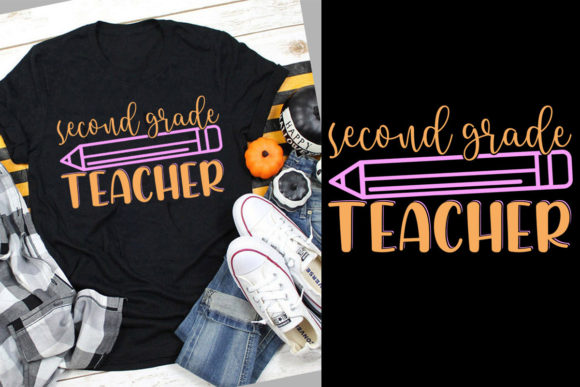
For many educators, the start of a new school year is both exhilarating and demanding. Among the many preparations—lesson plans, classroom layout, supply lists—there is one tool that often goes overlooked yet carries surprising weight: the Second Grade Teacher Back to School t‑shirt design. What might seem like a simple piece of apparel can actually serve as an intentional anchor for classroom culture, personal branding, and even a profitable product line for creators and small business owners.
Whether you are a second‑grade teacher looking to build rapport with students and families, or an entrepreneur exploring print‑on‑demand opportunities in the education niche, understanding how to use these designs strategically can move your efforts from random decoration to purposeful communication.
Why a Second Grade Teacher Back to School Design Matters Beyond the Fabric
A well‑chosen t‑shirt design does more than fill a wardrobe gap. For the teacher, it signals a mindset: I am prepared, I am enthusiastic, and I belong right here in this classroom. For the creator or business owner, it represents a product that solves a real emotional need—teachers want to feel proud of their role, and families want to see their child’s teacher as approachable and invested.
The Second Grade Teacher Back to School concept taps directly into this emotional space. It says, without a single spoken word, that the wearer values connection, community, and the fresh start of a new academic year. Thoughtfully used, this kind of design supports several core goals:
- Classroom positioning – A visible, friendly design helps younger students quickly associate you with a positive, welcoming presence.
- Professional identity – You are not just “a teacher”; you are the second‑grade teacher, with a unique personality and style.
- Bonding and morale – Team‑matching shirts for school staff or classroom volunteers foster a sense of shared purpose.
When approached as a deliberate choice rather than an afterthought, the design becomes a subtle but real contributor to the overall classroom environment and teacher‑family relationship.
For the Classroom Teacher: Building Connection on Day One
The first few days of second grade are formative. Students are adjusting to a new routine, and many are still learning how to navigate a school day independently. A t‑shirt with a clear, friendly Second Grade Teacher Back to School design can act as an instant conversation starter. It helps children remember your name, your role, and the positive energy you bring.
Consider wearing your design during:
- Meet‑the‑Teacher Night – Parents see your personality and passion before they hear a single word about curriculum.
- The first week of school – Consistency in your appearance reinforces your presence and approachability.
- School spirit events – Your shirt shows you are part of the larger school community while celebrating your specific grade.
Beyond personal wear, a thoughtful design can be extended to classroom helpers, aides, or even student volunteers during special projects. This creates a visual team identity that makes collaboration feel tangible.
For Print‑On‑Demand Entrepreneurs: Tapping into a Loyal, Yearly Market
The education niche is remarkably consistent. Every year, a new wave of second‑grade teachers searches for fresh, appealing designs that reflect their personality and the excitement of a new school year. A Second Grade Teacher Back to School vector design that is easy to modify and scale gives you a product that can be adapted across t‑shirts, mugs, pillows, stickers, posters, and apparel.
Key considerations for maximum product utility:
- Vector format is essential. A design provided as an AI, SVG, and PNG file with RGB color mode allows you to resize and recolor without quality loss. This means one design can serve a child‑sized sticker, an adult hoodie, or a large classroom poster.
- Simplicity works best. Teachers need designs that read clearly at a distance, reproduce well on fabric, and avoid overly complex details that might distort during printing.
- Modifiability adds value. When you can change colors, swap typography, or adjust grade‑specific elements, you save production time and can offer variations for pre‑k, kindergarten, first grade, or third grade using the same core design system.
Entrepreneurs who treat these designs as a seasonal product line—rather than a one‑off novelty—tend to benefit from repeat customers who return the following year for an updated look.
For Freelance Designers and Small Studios: Creating a Flexible Asset Library
If you produce vector graphics for the educational market, a well‑organized Second Grade Teacher Back to School file set can become a reliable offering. The specifications you provide—AI file, SVG file, PNG file, RGB color mode, easy‑to‑edit layers—directly affect your clients’ experience. A designer who delivers a clean, layered EPS file with editable typography and easily changed colors gives the buyer the freedom to produce everything from a sticker sheet to a full‑sized poster without starting over.
This kind of practical foresight builds trust and encourages repeat business. Teachers and small print shops value efficiency, and a file that is ready to use in multiple formats saves hours of rework.
1. Align the Visual Tone with Your Audience
A design that appeals to a second‑grade class should be friendly, bright, and clear. Avoid overly abstract graphics or fonts that are difficult for young children to read. The illustration should feel energetic but not chaotic, and the typography should be legible from across a classroom.
For print‑on‑demand sellers, this means testing your design on mockups at various sizes. What looks balanced on a screen may appear cramped on a coffee mug or stretched on a shirt.
2. Keep Color Psychology in Mind
RGB mode is standard for digital work, but if your design will be printed on fabric or home goods, test how the colors translate to CMYK or direct‑to‑garment processes. Bright, saturated colors often appeal to younger students, while a more muted palette may attract teachers who prefer a sophisticated look. Offering both options within the same vector file can double your market without doubling your workload.
3. Consider the Product Beyond the Shirt
A strong Second Grade Teacher Back to School vector should function across product categories. The same design that looks great on a t‑shirt should also work as a centered graphic on a throw pillow, a small emblem on a sticker, or a full‑bleed pattern on a notebook cover. Planning for multiple formats from the start reduces the need for separate design files.
- Apparel – Centered front design, readable at chest level.
- Mugs and drinkware – Compact, wraparound or single‑side placement.
- Home goods – Pillows and blankets benefit from a balanced, slightly larger composition.
- Stationery – Stickers and posters need a design that works in both small and large scales.
What to Consider Before Committing to a Design Direction
Not every design is right for every teacher or every business. Taking a moment to evaluate your goals can prevent wasted time and disappointing results.
Risks of Using a Design Without Clear Intent
- Misalignment with classroom tone. A design that is too busy, too informal, or too generic can feel disconnected from the serious work of teaching. Students and parents may perceive it as unprofessional if the design lacks clarity or purpose.
- Missed market opportunity. For sellers, a design that does not consider print size, color variation, or product flexibility may only work in one format, limiting your revenue potential.
- Short shelf life. Designs tied too closely to a fleeting trend may not have staying power for next year’s back‑to‑school season. Investing in a design with a classic feel often yields longer returns.
When you approach the design process with a clear understanding of how, where, and why the product will be used, you reduce these risks significantly.
Using Second Grade Teacher Back to School Designs Intentionally
Thoughtful use means choosing a design that reflects your specific context. A teacher in a small rural school may have different needs than a teacher in a large urban district. A creator selling on a print‑on‑demand platform must consider search discoverability, while a freelance designer needs file compatibility and ease of customization.
For the Educator: Make It Part of Your First‑Week Routine
Wear your design on the first day and during key events. Pair it with a welcoming message on your classroom door or a sign‑in table. This simple consistency reinforces your identity and makes you more memorable to both students and parents. Over the course of the year, that initial impression can strengthen relationships and communication.
For the Creator: Build a Collection, Not a Single Item
Instead of offering one isolated design, create a small collection that includes variations for different grade levels or school themes. A bundle with an AI file, SVG file, and PNG file for each design, all in RGB mode with editable layers, becomes a practical resource that customers can use repeatedly. This approach builds customer loyalty and encourages sharing within teacher networks.
For the Small Business Owner: Test Before Scaling
Before producing large quantities, test your design on a small batch of products—perhaps a single t‑shirt sample, a sticker, and a mug. Evaluate print quality, color accuracy, and customer feedback. Once you have confidence in the design’s performance across formats, scale production based on demand rather than speculation.
Long‑Term Value: Why This Design Approach Outlasts Seasonal Trends
The education market is cyclical but dependable. Teachers return to school each year with renewed energy and a need for fresh, appealing visuals. A well‑crafted Second Grade Teacher Back to School vector that is easy to adapt and print across multiple products can serve you for multiple seasons with minor updates.
For teachers, the value is relational: a design that becomes a signature look can become part of your classroom’s identity year after year. For creators and entrepreneurs, the value is operational: a flexible, high‑quality vector file reduces production overhead and expands your product range without requiring entirely new artwork each season.
Final Observations on Making Better Design Decisions
Whether you are standing at the front of a second‑grade classroom or managing a print‑on‑demand shop, the decisions you make about design affect how you are perceived and how efficiently you can work. A Second Grade Teacher Back to School design is not just decoration—it is a communicative tool, a branding element, and a product asset.
By choosing designs that are clear, adaptable, and aligned with your audience’s needs, you turn a simple graphic into something that supports your goals day after day. And by investing in vector files that are easy to modify—available in AI, SVG, and PNG formats with RGB color mode and editable layers—you ensure that your design can grow with you, moving from t‑shirt to pillow to sticker to poster without friction.
Make your choice intentional. Let the design serve your purpose, not the other way around.