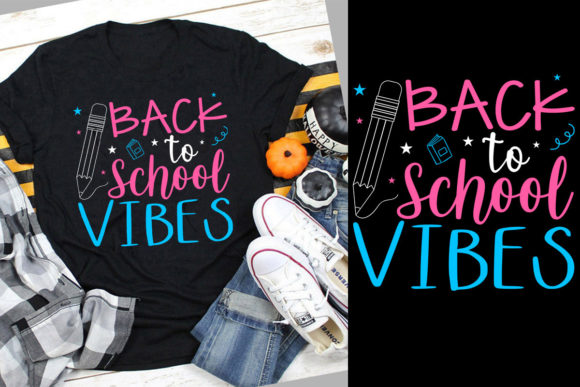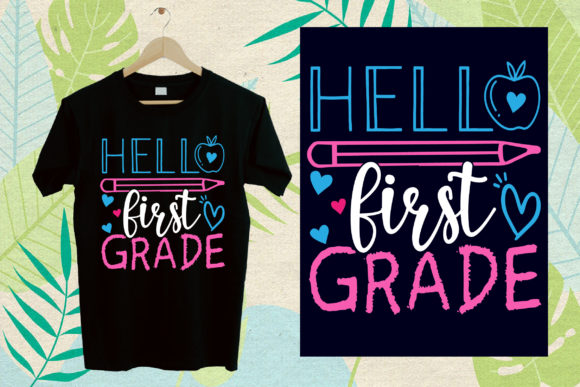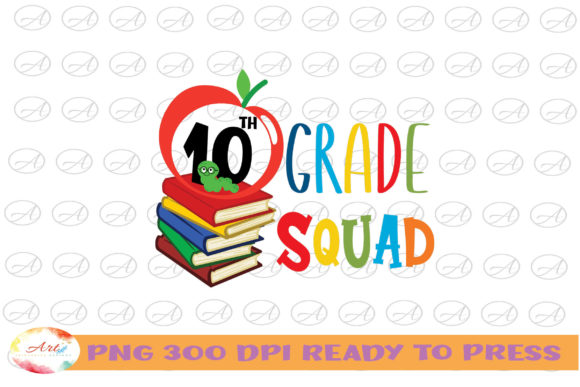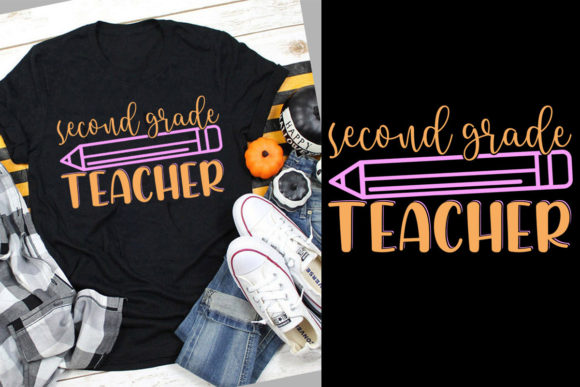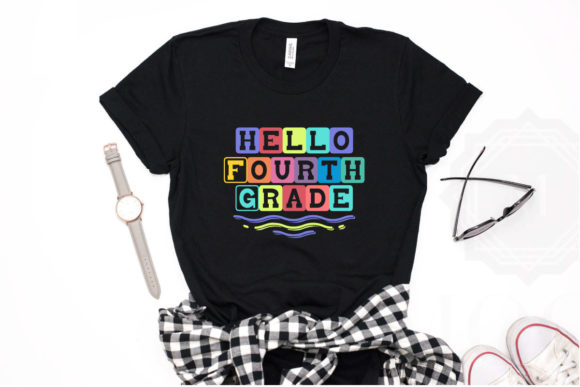
Back to School 4th Grade T-Shirt Design – A Complete Digital Resource for Custom Apparel
As the new school year approaches, parents, teachers, and small business owners alike look for creative ways to celebrate the milestone of entering fourth grade. A Back to School 4th Grade T-Shirt Design offers a versatile, ready-to-use digital asset that turns a simple shirt into a memorable keepsake. Whether you are outfitting a classroom, organizing a school event, or launching a small apparel line, this design file provides everything needed to produce professional-quality results quickly and reliably.
This article explores the design’s core features, the practical benefits of each included file format, and the wide range of real-world applications that make it a valuable tool for creators, educators, and entrepreneurs. By the end, you will have a clear understanding of how this digital product fits into your workflow and why it stands out as a practical, people-first resource.
What Makes This Design a Practical Choice for Fourth Grade Apparel
A fourth grade t-shirt design is more than just a graphic—it is a symbol of transition, achievement, and school spirit. The Back to School 4th Grade T-Shirt Design captures this sentiment with a clean, scalable layout that works well on both kids’ and adults’ apparel. The artwork is built as a 100% vector file, meaning every line, curve, and color element is mathematically defined rather than pixel-based. This fundamental characteristic gives you the freedom to resize the design from a tiny decal to a large back print without any loss of sharpness or clarity.
Because the design uses RGB color mode, it is optimized for digital screens and modern printing workflows. RGB offers a wider color gamut than CMYK, which translates into brighter, more vibrant results when viewed on phones, tablets, and computers. If you need to adapt the colors for specific fabric printing methods, the file’s vector structure makes global color changes effortless.
The design is built in the latest Illustrator version, ensuring compatibility with current design software while remaining backward-compatible for most users. Each element—text, shapes, icons—is organized in clearly labeled layers, so you can turn visibility on and off, rearrange components, or isolate specific parts without affecting the rest of the composition.
Understanding the Six File Formats and Their Real-World Value
When you purchase this Back to School 4th Grade T-Shirt Design, you receive it in six distinct formats, each serving a specific purpose. Below is a breakdown of what each format offers and why it matters for different use cases.
1. Editable AI File (Adobe Illustrator)
The AI file is the master source. It retains all original layers, paths, color swatches, and editable text. If you are a graphic designer or someone comfortable with vector editing, this file gives you complete control. You can modify the grade number, change the school name, adjust the mascot, or swap out colors to match a specific school palette. Because it is the native Illustrator format, all vector properties remain fully editable.
2. Editable EPS File
The EPS format is a universal vector standard that can be opened in a wide range of design applications, including Adobe Illustrator, CorelDRAW, and even some free alternatives like Inkscape. This file preserves the same vector quality and editability as the AI file, making it an excellent fallback for users who do not have the latest Adobe software. EPS files are also widely accepted by professional printing services.
3. PNG File with Transparent Background
The PNG format is ideal for quick digital use. With a transparent background, you can place the design directly onto a t-shirt mockup, a website banner, or a social media post without needing to remove a white box. The PNG is rendered at a high resolution, so it prints well on home inkjet printers or small-format heat transfer projects. This is the format you will reach for when speed matters and you do not need to edit individual elements.
4. SVG File
SVG (Scalable Vector Graphics) is a web-friendly vector format that works perfectly with cutting machines like Cricut, Silhouette, and Brother ScanNCut. If you plan to produce vinyl decals, iron-on transfers, or stencils, the SVG file is your go-to. It scales flawlessly to any size and can be imported directly into the cutting machine’s design software. Many crafters and small business owners rely on SVG files for their day-to-day production because they combine editability with broad compatibility.
5. JPG File
The JPG format is a standard raster image that is useful for previews, drafts, and low-resolution sharing. While it does not support transparency or vector editing, it is universally viewable on any device or platform. Use the JPG file when you want to show a client a quick mockup, include the design in a PDF presentation, or upload it to an online marketplace listing.
6. PDF File
PDF is a portable document format that preserves the vector quality of the design while making it easy to share with print shops, clients, or colleagues. Many commercial printers prefer PDF files because they embed fonts, colors, and vector data in a single, compact package. You can also open the PDF in Adobe Acrobat or a vector editor to make minor tweaks if needed.
Key Features That Enhance Usability and Flexibility
Beyond the file formats, several built-in characteristics make this design particularly user-friendly:
- 100% vector file: No pixelation or quality loss at any size. Print it on a toddler’s onesie or a large banner with identical crispness.
- RGB color mode: Bright, screen-optimized colors that also convert cleanly to CMYK for professional printing.
- Latest Illustrator version: Full compatibility with modern design tools, plus easy export to older formats if needed.
- Easy to modify: Well-organized layers and groups let you hide, lock, or isolate elements quickly.
- Easy to change color and element: A single click can update the entire color scheme, and text fields are fully editable.
These features are not just technical specifications—they directly translate into time saved and fewer headaches during production. Whether you are preparing a bulk order of 50 shirts for a school event or creating a one-off gift for your own child, the flexibility of the files means you can iterate quickly without starting from scratch.
Where and How This Design Can Be Used
The Back to School 4th Grade T-Shirt Design is purpose-built for versatility. Here is a look at the most common applications, along with practical examples of each.
Apparel and Textile Printing
The most obvious use is on t-shirts, hoodies, sweatshirts, and sweaters. The design works well with screen printing, direct-to-garment (DTG) printing, heat transfer vinyl, and sublimation. For example, a parent can use the SVG file with a Cricut to cut iron-on vinyl and apply it to a plain white t-shirt in under 30 minutes. A school PTA can send the AI or PDF file to a local screen printer to produce 200 matching shirts for the entire fourth grade class.
Cut Machines and Vinyl Decals
The SVG and EPS formats are ideal for cutting machines. You can create adhesive vinyl decals for laptops, water bottles, binders, or car windows. The clean vector lines ensure that even small text cuts cleanly without tearing. Many crafters use these decals as part of a back-to-school “teacher gift” bundle or as a fun addition to a student’s supplies.
Paper Crafts and Stationery
The design is also suitable for scrapbooking, card making, and invitation design. Resize the PNG or SVG to fit an A2 card front, or use the vector file to create a custom “First Day of 4th Grade” poster. The transparent PNG can be layered onto patterned paper in a digital scrapbooking layout. For physical cards, print the JPG or PDF at home and cut around the design with scissors or a trimmer.
Home Decor and Framed Artwork
Because the design is high-resolution and vector-based, it scales beautifully to larger sizes for framed prints. You could create an 8x10 or 11x14 inch print to hang in a child’s room or a classroom bulletin board. The RGB color mode ensures the digital preview matches what you see on screen, so you can confidently order prints from an online lab.
Gifts and Merchandise
Sublimation enthusiasts can use the design to create custom mugs, pillows, tote bags, and mouse pads. The PNG with transparent background is especially handy for sublimation transfers, where precise registration matters. Small business owners can add the design to a product line of back-to-school merchandise and sell it at local markets or on Etsy.
Who Benefits Most from This Design File
This resource is designed to serve a diverse audience. Below are the primary user groups and how each can leverage the product effectively.
- Parents and guardians: Create a personalized shirt for your child’s first day of school. You can customize the color to match their favorite outfit and add a name or inside joke.
- Teachers and educators: Use the design for class shirts that build community and school spirit. The editable AI or EPS file lets you add your classroom number or school mascot.
- Small business owners: Sell finished shirts or digital files to other parents. The six-format bundle gives you the flexibility to offer both physical and digital products.
- Crafters and hobbyists: The SVG file is perfect for cutting machine projects. You can make decals, stickers, and iron-ons for personal gifts or small-scale sales.
- Print shops and production studios: The AI, EPS, and PDF formats ensure smooth integration with professional printing workflows, saving time on file preparation.
- Online sellers and digital creators: List the design as a digital download in your shop. The variety of formats appeals to a broad customer base and reduces support questions about compatibility.
Practical Considerations and What to Expect
While the Back to School 4th Grade T-Shirt Design is highly versatile, there are a few practical points to keep in mind to get the best results.
Software Requirements
To edit the AI and EPS files, you need vector editing software. Adobe Illustrator is the industry standard, but CorelDRAW, Affinity Designer, and Inkscape (free) can also open these formats with varying levels of compatibility. The PNG, JPG, and PDF files are viewable on virtually any device without special software.
Color Management
Because the file uses RGB color mode, you may notice slight differences when printing on fabric using CMYK processes. It is always a good idea to request a proof from your print shop, especially if color accuracy is critical. For sublimation and DTG, RGB files often produce satisfactory results without conversion.
Scaling and Resolution
The vector formats (AI, EPS, SVG) can be scaled to any size without quality loss. The PNG is provided at a high resolution suitable for standard shirt sizes up to about 12x15 inches. If you need a larger print, use one of the vector formats to generate a new raster file at the exact dimensions you need.
Customization Best Practices
When modifying the design, work from the AI or EPS file to preserve vector integrity. Change colors by selecting the objects and applying new swatches from the color panel. If you need to replace the grade number, look for a text layer or outlined text—if it is outlined, you can use the Type tool if the original font is installed, or recreate the numeral using vector shapes.
Real-World Scenarios to Inspire Your Next Project
To illustrate the breadth of possibilities, here are a few concrete scenarios where this design shines.
Scenario 1: A parent wants a unique shirt for their child’s first day. They download the SVG file, open it in Cricut Design Space, resize it to fit a youth medium shirt, and cut heat-transfer vinyl in gold and navy. In under an hour, they have a custom shirt that stands out from store-bought options.
Scenario 2: A fourth grade teacher plans a class photo day. They send the AI file to a local screen printer, ask for the design in the school’s colors, and order 25 shirts. The students wear them for the group photo and keep them as a souvenir of the school year.
Scenario 3: An Etsy seller wants to launch a back-to-school collection. They purchase the design, customize the color palette to three variations, and create listing photos using the transparent PNG on mockups. They offer the design as both a physical shirt and a digital download. The six-format bundle attracts buyers who use different cutting and printing machines.
Scenario 4: A crafter creates a set of fourth grade survival kits. They use the SVG file to cut vinyl decals for small mason jars, fill them with school supplies and treats, and give them as gifts to classmates. The same decal design is applied to notebooks and water bottles for a coordinated look.
Final Thoughts on Choosing This Digital Design
The Back to School 4th Grade T-Shirt Design is more than a simple graphic file—it is a production-ready asset that respects your time, your tools, and your creative vision. The combination of six industry-standard formats, fully vector construction, and easy color editing means you can move from idea to finished product with minimal friction.
Whether you are a parent looking to create a heartfelt keepsake, a teacher building class spirit, or a business owner scaling a product line, this design offers the flexibility and quality needed to deliver professional results. By understanding the strengths of each format and matching them to your specific workflow, you can make the most of this resource and create apparel that celebrates the fourth grade milestone in style.