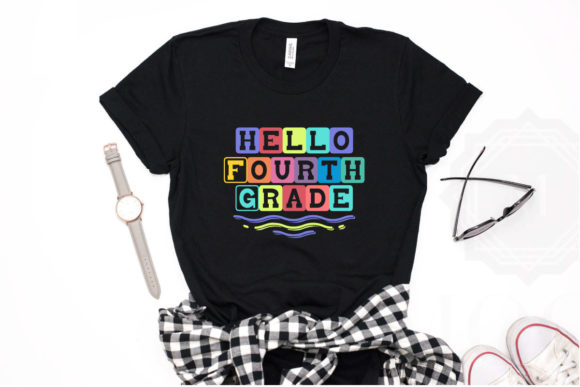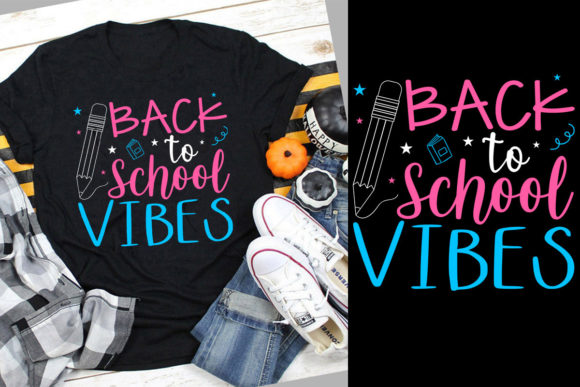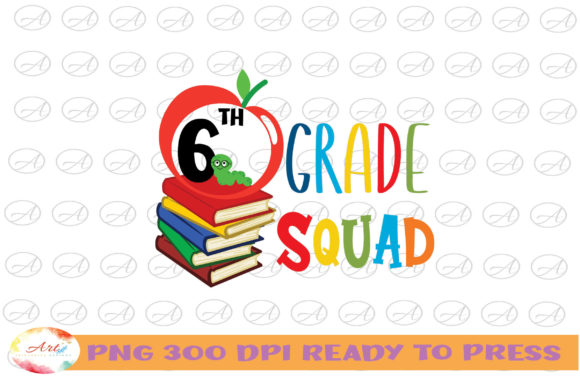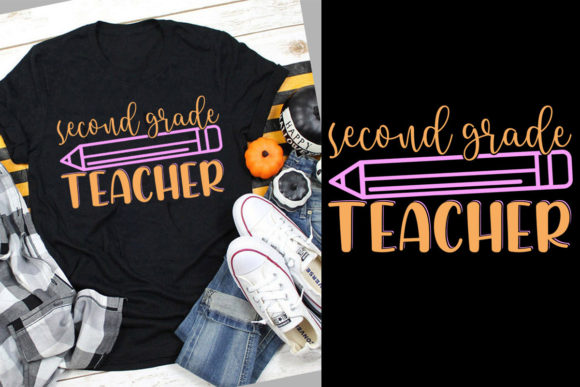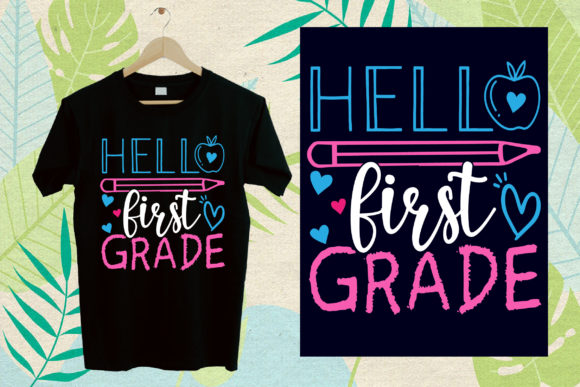
Back to School Tshirt Design: A Practical Resource for Creators and Entrepreneurs
Producing custom apparel for the back-to-school season requires more than a good idea—it demands a file that works across multiple platforms and output methods. A well-constructed Back to School Tshirt Design bridges the gap between concept and finished product, saving time and reducing errors whether you are printing for a classroom, launching a small clothing line, or creating one-off gifts. Understanding the format, color space, and editing capabilities of your digital asset is the first step toward a smooth production workflow.
What Makes a Back to School Tshirt Design Work in Real Projects
A strong design file is not just about aesthetics; it is about compatibility and flexibility. The most useful Back to School Tshirt Design files are delivered as 100% vector artwork. Vector files mathematically define every curve and line, so they scale from a tiny sticker to a large poster without losing clarity. When you receive a design in Editable AI file, Editable EPS file, SVG file, and PDF file formats, you are covered whether you work in Adobe Illustrator, use a free vector editor, or hand the file to a print shop that prefers PDFs. The RGB color mode ensures accurate on-screen representation, and the Latest Illustrator version compatibility means no version mismatches when you open the file.
This type of design fits into the broader process of seasonal product creation. Before the school rush begins, you can preview, modify, and test the design on different backgrounds or garments. During production, the easy-to-edit layers allow you to personalize names, change slogans, or adjust colors to match a school’s palette. After the season ends, the vector files remain in your asset library for future reuse—perhaps repurposed for a different event by simply swapping elements.
How the Four File Formats Support Different Workflows
Delivering a design in multiple formats is not just a courtesy; it reflects an understanding of how different users operate. Each format serves a distinct purpose in a typical workflow:
- Editable AI File (.ai): This is the master file. If you use Adobe Illustrator, you get full access to layers, symbols, and swatches. You can separate the design into individual parts—for example, isolating the apple icon to change its color from red to green, or adjusting text kerning without affecting the graphic. The AI file is your best friend when you need to make structural edits or prepare a file for large-format screen printing.
- Editable EPS File (.eps): An industry-standard vector format that opens in almost any vector application, including older versions of Illustrator, CorelDRAW, and free tools like Inkscape. The EPS file is a safe fallback if you or your print partner do not have the latest Illustrator version. It retains editability and is ideal when you need to send a design to a remote collaborator who might be on different software.
- SVG File (.svg): The go-to format for web use and cutting machines. SVG files are XML-based and can be embedded in websites for mockups or placed directly into Silhouette Studio, Cricut Design Space, or Brother ScanNCut software. If you run a small business that sells cut decals or iron-on transfers, the SVG format eliminates the need to convert files, speeding up the cutting preparation process.
- PDF File (.pdf): Universally viewable and print-ready. Many print-on-demand services and local print shops request PDF files because they embed all fonts and preserve vector quality. The PDF in this set is also editable if you have a vector editor that supports PDF import. It serves as both a presentation file for client approval and a reliable output format for T-shirts, mugs, pillows, and other merchandise.
When you have all four, you can choose the right tool for each step: edit in AI, collaborate with EPS, use in cut machines with SVG, and send to print with PDF. No need to convert or risk file corruption.
Integrating the Design into Your Creative or Business Workflow
Whether you are a teacher creating class shirts, a small business owner expanding into school merchandise, or a hobbyist personalizing gear for your own kids, the design integrates at multiple points in your process.
Before Production: Planning and Customization
Start by opening the AI or EPS file in your preferred vector application. The design is structured with easy-to-modify layers, typically a background layer, text layer, and each graphic element on its own layer. You can change the entire color scheme by adjusting global swatches—ideal if you need a specific shade of blue for a school’s spirit week. The RGB color mode works well for digital previews, but if you are screen printing, remember that your printer may convert to CMYK. Check with your print provider early to avoid surprises.
If you are using a cut machine, import the SVG file directly. Many designers find it helpful to resize the design before cutting: set the final dimensions in the cutting software (e.g., 10 inches wide for a shirt front). Because vector files are resolution-independent, you can scale up or down without jagged edges.
During Production: Efficient Execution
For screen printing, prepare the AI file by separating colors into distinct layers or spot channels. The easy-to-edit structure means you can hide or show elements quickly. For digital printing (DTG or sublimation), use the PDF as a high-quality print file. Many print-on-demand platforms accept PDFs with bleed. For heat transfer vinyl, the SVG file is your fastest route: open, adjust size, cut, weed, and press. The design’s clear outlines and minimal fine details make weeding straightforward even for beginners.
If you produce multiple variations—for example, different grade levels or mascot versions—duplicate the AI file and change only the text. The consistent base artwork ensures uniformity across your product line.
After the Season: Archiving and Repurposing
Store all four file formats together in a project folder. The vector nature means you never need to remake the design from scratch. Next year, you can update the year number, change the color trend, or swap a school-related icon for a holiday theme. The editable files act as a reusable template that grows in value over time. Entrepreneurs can create a series of seasonal designs using the same core layout, building a consistent brand identity across products.
Practical Tips for Maximizing Usability and Quality Control
To get the most out of your Back to School Tshirt Design, treat the files as part of a larger system of resources.
- Organize your assets: Create a dedicated folder for each design set. Include a readme file noting the color palette, fonts used, and intended use. This saves time when you revisit the design months later.
- Test on mockups before ordering: Use the SVG or PDF file to create a mockup on a blank T-shirt template. This low-cost step reveals spacing and sizing issues. Also, consider how the design looks on different colored garments. The vector format lets you swap background colors without altering the artwork.
- Check font embedding: When you edit the AI or EPS file, ensure any custom fonts are outlined or included as a separate resource. PDF files from this set typically embed fonts, but if you plan to edit the text extensively, outline the final version to avoid missing font errors at the print shop.
- Color consistency across products: If you plan to sell T-shirts, mugs, pillows, and stickers with the same design, use the PDF for consistent color output. Print shops rely on PDF/X standards. For sublimation, convert the PDF to a TIFF at the proper resolution (300 DPI) using Photoshop or a similar program. The vector PDF gives you a lossless starting point.
- Batch modifications using layers: In the AI file, use the Recolor Artwork tool or global swatches to rapidly test multiple color combinations. For a school season, you might need 10 different color variants. Workflow automation—like Actions in Illustrator—can apply repetitive tasks across dozens of files derived from the same master design.
Real-World Use Cases Across Different Audiences
The versatile format set makes this design suitable for a range of practical scenarios:
- Small Business Owner: Launch a back-to-school capsule with T-shirts, tote bags, and water bottles. Use the AI file to adapt the design for each product shape. Offer customization fields for names or class years directly on your website by embedding the SVG in an editor tool.
- Teacher or Educator: Create class shirts that build team spirit. You can letter each student’s name using the editable text layers, then send the PDF to a local screen printer. The design file can be reused each year with minor updates.
- Freelance Designer: Add the design to your portfolio as a versatile proof of concept. When a client requests a similar back-to-school theme, you already have a tested starting point that demonstrates your ability to deliver multiple vector formats.
- Hobbyist and DIY Enthusiast: Use the SVG file with a Cricut or Silhouette to make iron-on decals for clothing, stickers for laptops, or even layered wall art. The 100% vector file cuts smoothly without the need to clean up raster artifacts.
- Marketer or Parent Organizer: Produce branded merchandise for a school fair or PTA event. The design’s RGB color mode ensures vibrant previews on social media ads. The easy-to-edit files allow you to swap the event name and date.
Long-Term Value and File Management
A well-structured digital design file does not expire. By keeping the AI, EPS, SVG, and PDF versions in your archive, you reduce future production costs and turnaround times. When vector libraries are stored with clear naming conventions—such as “BackToSchool_2025_Apple” with subfolders for each format—you can locate the correct file in seconds. Clip files into a cloud-based folder for team access or share a workspace with a print partner using the PDF for proofs and the AI for edits.
Quality control also improves when you have a single source of truth. Instead of hunting for the original file across different devices, the AI master file gives you a definitive starting point. All other formats can be regenerated from it, but the convenience of having them pre-exported saves time during tight seasonal deadlines. For entrepreneurs running a store, this preparation means you can launch a new Back to School collection within hours rather than days.
Ultimately, the thoughtfulness behind providing a 100% vector design in RGB color mode with the latest Illustrator version is about removing friction. Each format answers a specific need—editing, collaboration, cutting, or printing—so you spend less time troubleshooting file issues and more time executing your vision. Whether your goal is to outfit a classroom, start a merchandise line, or simply make one perfect shirt for a first grader, having the right file setup is the practical foundation that makes it possible.