How a Back to School Third Grade T‑Shirt Design Supports Strategic Planning and Branding
A well‑crafted back to school third grade t‑shirt design can be far more than a seasonal novelty. For entrepreneurs, educators, and small business owners, it becomes a versatile asset that supports both creative projects and commercial goals. Whether you are launching a print‑on‑demand product line, building a classroom community, or expanding your brand’s merchandise offerings, the right vector design simplifies production, ensures consistent quality, and saves time.
This article explores the practical value of a back to school third grade t‑shirt design, how to use it intentionally, and what to consider before integrating it into your workflow. You will learn when this asset fits your planning, how to modify it for different outcomes, and why thoughtful use can reinforce your brand’s positioning.
What a Back to School Third Grade T‑Shirt Design Really Is—and Why It Matters
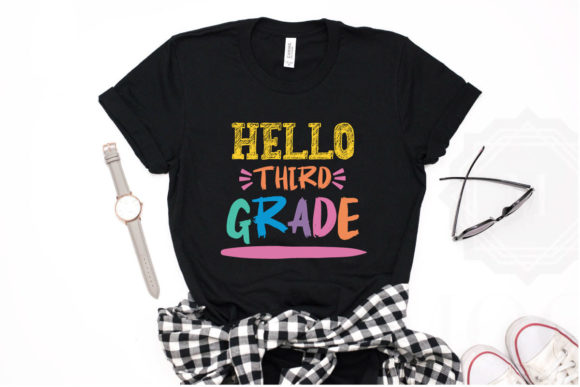
At its core, a back to school third grade t‑shirt design is a digital file package that includes fully editable vector and raster formats. You receive an AI file, EPS file, transparent PNG, SVG, JPG, and PDF—all with a 100% vector foundation, RGB color mode, and compatibility with the latest Illustrator version. The design is easy to modify, change colors, and adjust elements without starting from scratch.
For a business owner or creator, this means you are not locked into a single use case. The same base design can be resized for a t‑shirt, adapted for a mug, scaled for a poster, or cut as a vinyl decal. The strategic advantage lies in flexibility: one design file supports multiple product lines, reducing redundant work and keeping your brand consistent across channels.
Why Vector Format Matters for Your Project Goals
Vector files eliminate the pixelation and resolution limits found in raster images. A back to school third grade t‑shirt design delivered in AI, EPS, and SVG gives you infinite scalability. This is critical for both large‑format prints (posters, banners) and small items (stickers, labels). With a vector base, you can confidently produce high‑quality output regardless of the medium.
The PNG and JPG versions are useful for quick mockups or digital previews, but the vector files are where long‑term value lives. You can adjust colors to match your brand palette, swap text, resize elements, and combine with other graphics—all without losing fidelity. For a teacher creating class shirts or an entrepreneur launching a seasonal collection, this control reduces reliance on outside designers and accelerates time to market.
Strategic Use Cases for the Design
Understanding when to deploy a back to school third grade t‑shirt design helps you align creative assets with business or community objectives. Below are scenarios where this asset provides the most return.
1. Seasonal Product Launches and Print‑on‑Demand
Back‑to‑school season is a predictable spike in demand. Parents, teachers, and school staff actively look for shirts, hoodies, and accessories that celebrate the new grade. By using this design as a base, you can offer multiple variations—different colors, different garment types, different sizes—without designing each from scratch.
Practical example: A print‑on‑demand seller creates a third grade design in five colorways, uploads it to a platform like Printful or Redbubble, and targets keywords around “third grade shirt.” Because the design is vector, the seller can quickly generate new mockups for hoodies, tote bags, and mugs, expanding the product range with minimal effort.
2. Classroom Community and Teacher Resources
Many third‑grade teachers order class shirts to build team spirit or commemorate field trips. A ready‑to‑modify design allows the teacher to add the school name, year, or student names. The editable AI or EPS file means no design skills are required to insert text—just open the file in Illustrator and customize.
Strategic observation: Teachers who personalize these designs often share them with parent volunteers, who may then order apparel for the entire class. This word‑of‑mouth distribution can turn a single asset into a recurring revenue stream for designers or stationery sellers.
3. Branded Merchandise for School‑Themed Businesses
If you run a tutoring center, children’s boutique, or educational blog, branded merchandise reinforces your identity. A back to school third grade t‑shirt design can be adapted to include your logo, tagline, or website. Because the file is easy to modify, you can create a limited run for an event or a flagship product for your online store.
The vector format ensures that your modified design prints cleanly on everything from t‑shirts to pillows. This consistency builds trust with customers who recognize your aesthetic across different items.
When to Use the Design—and When to Pause
Not every project benefits from a seasonal design. Thoughtful timing and context determine whether this asset supports your goals or becomes unused inventory.
Ideal Scenarios for Immediate Use
- Back‑to‑school season (July–September): Demand is highest. Prepare product listings at least six weeks before the season peaks.
- Teacher appreciation weeks or school events: Customize the design with the school’s name or event date for a personal touch.
- Year‑round niche products: Third grade is a specific niche, but you can pivot the design for second or fourth grades by changing numbers.
- Bundled digital products: Include the design as a bonus in a “Back to School Bundle” for your customers who run their own shops.
When to Reconsider or Adapt
- Unclear target audience: If you are not reaching parents, teachers, or third graders’ relatives, the design may not convert.
- Brand mismatch: If your brand voice is minimalist or adult‑focused, a playful school design may feel out of place.
- Lack of modification plan: Buying the design but never editing it to fit your specific product or market wastes its potential.
Practical Planning Tips for Creators and Business Owners
To get the most from a back to school third grade t‑shirt design, integrate it into a broader planning framework. The following steps help you move from impulse purchase to intentional asset.
1. Audit Your Existing Product Line
Before adding a new design, review what you already offer. Does a third‑grade shirt fill a gap? Will it complement your existing school‑grade collection? A strategic approach avoids duplication and ensures each asset has a clear role.
2. Plan Variations Around the Core File
Because the design is 100% vector and easy to modify, you can plan three to five variations. For example: one version for boys, one for girls, one with a school name placeholder, and one optimized for a different product (like a mug or tote). Each variation can be prepped in advance and saved as a separate file.
3. Consider Color Psychology and Target Preferences
RGB color mode allows you to work on screen, but remember that printing (especially on apparel) may require conversion to CMYK. Test your chosen palette on different fabric colors. Bright, saturated colors often appeal to younger students, while muted tones attract adult buyers (e.g., teachers or parents buying for themselves).
4. Use the Transparent PNG for Social Proof
The PNG version with a transparent background is ideal for social media previews, mockups, and email marketing. Show the design on a variety of products in your posts, and include a call‑to‑action that directs followers to your shop. Seeing the design on an actual t‑shirt or mug increases purchase confidence.
Risks of Using the Design Without Clear Goals
Any digital asset can become a liability when used inconsistently or without context. Here are common pitfalls to avoid with a back to school third grade t‑shirt design.
- Poor file handling: Vector files require appropriate software (e.g., Adobe Illustrator). If you open an AI file in a raster editor, you lose the editability. Stick to the recommended tools, or work with a production partner who understands vector formats.
- Ignoring scale: A design that looks balanced on a t‑shirt may be too detailed for a small sticker. Test your design at different sizes before committing to production.
- Overreliance on one season: If you only promote the design during August and September, you miss opportunities for repeat sales. Consider year‑round uses like “last day of school” or “summer camp” themes by modifying the text.
- Neglecting print quality: Even with a high‑quality vector file, the print method matters. Screen printing, DTG, and sublimation each have unique requirements. Consult your printer’s guidelines for color profiles and file export settings.
Decision‑Making Guidance for Long‑Term Value
Choosing a back to school third grade t‑shirt design is more than a one‑time purchase. It should fit into your larger system for creating, selling, or gifting custom products. Ask yourself these questions before integrating the asset:
- Will this design serve multiple projects over the next year? If yes, the vector formats (especially AI and EPS) justify the investment because they can be repurposed.
- Do I have the technical skill to modify the file? If not, partner with a freelancer or use the included PDF as a print‑ready template. The editable files are only valuable if you can use them.
- How will I distribute the design? For physical products, plan your fulfillment method. For digital sales (e.g., on Etsy), ensure your customers understand the file types and how to use them.
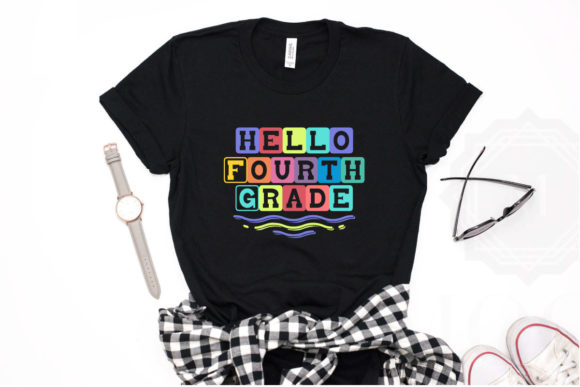
- Am I prepared to update the design next year? Third graders become fourth graders. A design that says “Third Grade” can be changed to “Fourth Grade” with a simple edit. This portability extends the asset’s lifespan across academic years.
By treating the design as a modular component in a larger product ecosystem, you reduce creative burnout and maintain a consistent presence in your market.
Practical Example: Turning One Design Into Six Products
Imagine you run a small online shop selling custom apparel and accessories. You purchase a back to school third grade t‑shirt design file package. Within a week, you use it to create:
- A t‑shirt for a third grader in navy blue with white lettering.
- A hoodie for a parent in heather gray with the design centered.
- A mug with a wrap‑around version of the design, resized to fit the curve.
- A tote bag with a simplified version using only the vector graphic, no text.
- A pillow cover using the PNG transparent file combined with a fabric texture.
- A set of vinyl decals for laptops and water bottles, scaled down to 3 inches.
Each product uses the same core design, but the format and modifications vary. The editable AI file allows you to remove text for some products, change colors for others, and adjust scale without re‑drawing. This efficiency is the strategic advantage of a well‑prepared vector file.
Final Observations on Intentional Use
A back to school third grade t‑shirt design is a tool, not a solution. Its value depends on how you integrate it into your planning, branding, and customer experience. The file package gives you flexibility—but flexibility without direction leads to scattered results.
If you approach this asset with clear goals, seasonal timing, and a willingness to modify, it can support revenue, community building, and brand consistency. If you simply download it and leave it untouched, its potential remains untapped. The difference lies in your strategy.
Before using the design, outline one primary goal (e.g., launch a third‑grade shirt line for fall). Then map each format—AI, EPS, PNG, SVG, JPG, PDF—to a specific action. That deliberate step transforms a digital file into a tangible business outcome.